Imagine paying over $1,000 for a bottle of wine, while its neighbor from the same vintage costs a mere $70. Welcome to the wild world of the 1855 Bordeaux Classification, a ranking system that has wine lovers cheering, winemakers fuming, and economists scratching their heads.
The birth of a wine aristocracy
Picture this: it’s 1855, and Emperor Napoleon III wants to show off France’s best wines at the Paris Exposition Universelle. He turns to the Bordeaux Chamber of Commerce and says, “Make me a list!” — little suspecting that he was about to ignite centuries of debate.
The Chamber delegated the task to the local wine brokers, or courtiers, who knew the region’s châteaux, vineyard prices, and sales figures intimately. Their method? Follow the money. They ranked the wines by market value, believing the most expensive wines inherently reflected superior quality. No wine scores, no glossy magazine reviews, and certainly no Instagram influencers. What emerged instantly segregated the region’s châteaux into “haves” and “have-nots” — some estates vaulted into stardom overnight, others stuck on the sidelines despite potentially fantastic terroirs.
The Grand Crus: a hierarchy set in stone (almost)
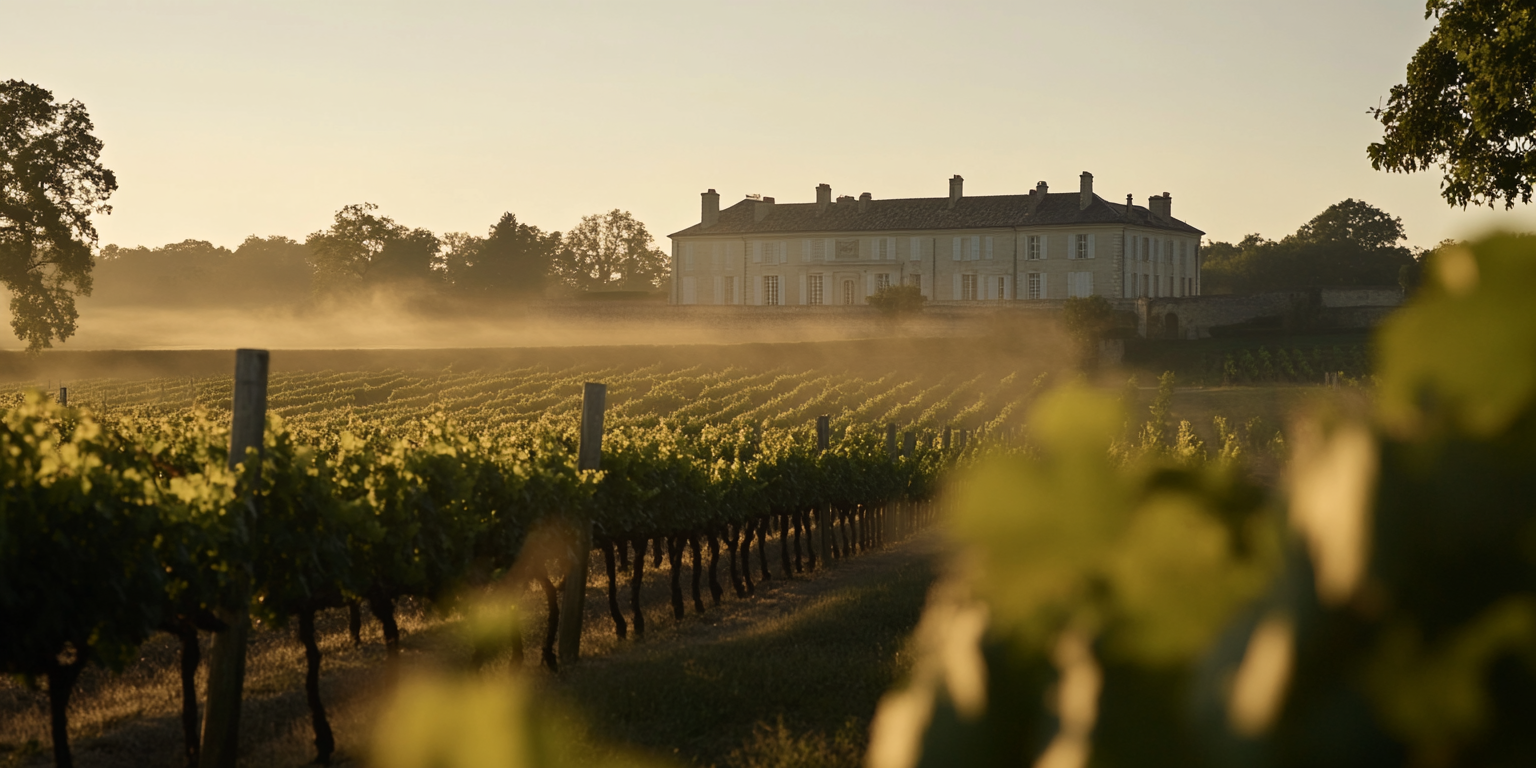
First Growths (Premiers Crus) — the crown jewels: Château Lafite Rothschild, Château Latour, Château Margaux, and Château Haut-Brion, the latter standing out as the only wine from the Graves region in the original classification. Below them, the Second to Fifth Growths — a descending ladder of prestige capturing 61 châteaux in total, forming a pecking order wine aficionados still relish debating.
The classification also extended to the sweet wines of Sauternes and Barsac. At the summit: Château d’Yquem, the only Premier Cru Supérieur — effectively the First Growth of sweet Bordeaux. The 1855 list was akin to a royal decree, instantly anointing winners and losers in a game that had no formal replays.
The exception that proves the rule
For 118 years, the classification was as unchanging as the stone walls of the Médoc châteaux. Then, in 1973, one restless spirit rocked the boat: Baron Philippe de Rothschild, owner of Château Mouton Rothschild, who campaigned tirelessly to elevate Mouton from Second to First Growth. His cheeky motto — “Premier ne puis, Second ne daigne, Mouton suis” (“First I cannot be, Second I do not deign to be, Mouton I am”) — perfectly captured his frustration.
When his lobbying finally succeeded, it was as if an earthquake had rattled the Left Bank. Imagine someone storming Buckingham Palace and emerging a newly crowned monarch: scandalous, exciting, and a permanent reconfiguration of the power structure.
Old World charm or outdated relic?
Heritage: a historical artifact linking modern wines to centuries of tradition.
Benchmark: classed status forces producers to keep elevating standards.
Clarity: a straightforward starting point for newcomers.
Outdated metrics: based on 19th-century prices, not modern quality.
Locked-out talent: châteaux that soared since 1855 remain unrecognized.
Marketing over merit: more a branding tool than a guide to what’s in the bottle.
The classification that refuses to die
First Growths still command astronomical prices, especially in blockbuster vintages — some coveted bottles soar well above $1,000. Wine tourists flock to the grand châteaux of the Médoc for a direct connection to living wine history. Yet critics like Robert Parker and publications like Wine Spectator can skyrocket a wine’s popularity overnight, regardless of classification — proof that while 1855 remains hugely influential, it’s no longer the only game in town.
My personal take: the power of prestige (and psychology)
As much as I want to pretend it doesn’t, the 1855 Classification still influences my personal choices — sometimes more than I’d care to admit. It’s annoying, especially since I know better! There’s a psychological pull to these storied labels, much like buying a Hermès bag: you’re not just purchasing a functional item, you’re buying into a narrative, a legacy.
I counterbalance it with one important practice: tasting wines blindly whenever possible. Blind tasting helps me judge the wine’s merits first, without the baggage of preconceived notions. Then the history and storytelling can add to the enjoyment, rather than define it.
To reform or not to reform?
The idea of reclassifying Bordeaux surfaces again and again. But imagine the chaos: if a beloved First Growth were demoted, outraged collectors might riot in the streets of Pauillac; if an unranked château soared to the top, lawsuits would follow. For many, it’s easier — and safer — to leave the classification as it is, preferring the devil they know. After all, there’s a certain romance in tradition, even when it’s occasionally at odds with reality.
“You’re not just tasting fermented grape juice. You’re tasting a slice of history, a hefty dose of controversy, and perhaps a pinch of delicious irony.”
Whether you’re firmly on team “Keep it for posterity!” or squad “Tear it down and start fresh!” — one thing’s for sure: the 1855 Classification, like a well-cellared Bordeaux, only gets more complex and compelling with age.