Let’s just get this out of the way: Sideways did Merlot dirty. If you’ve ever watched that movie, you probably remember the line. That one scene, and Paul Giamatti’s cranky face, tanked Merlot’s reputation in the U.S. almost overnight. But here’s the thing: the real crime wasn’t against Merlot — it was against everyone who wrote it off without ever giving the grape a real chance.
I’ll say it outright: Merlot is my favorite varietal at the moment. And no, not because I like flabby, one-dimensional supermarket wine. The best Merlot — especially from places like Bordeaux’s Right Bank or the hills of Tuscany — makes wines that are seductive, complex, and endlessly drinkable. Let me try to convert you, because Merlot, when grown and made with care, can be magic.
Merlot’s story: a blackbird takes flight
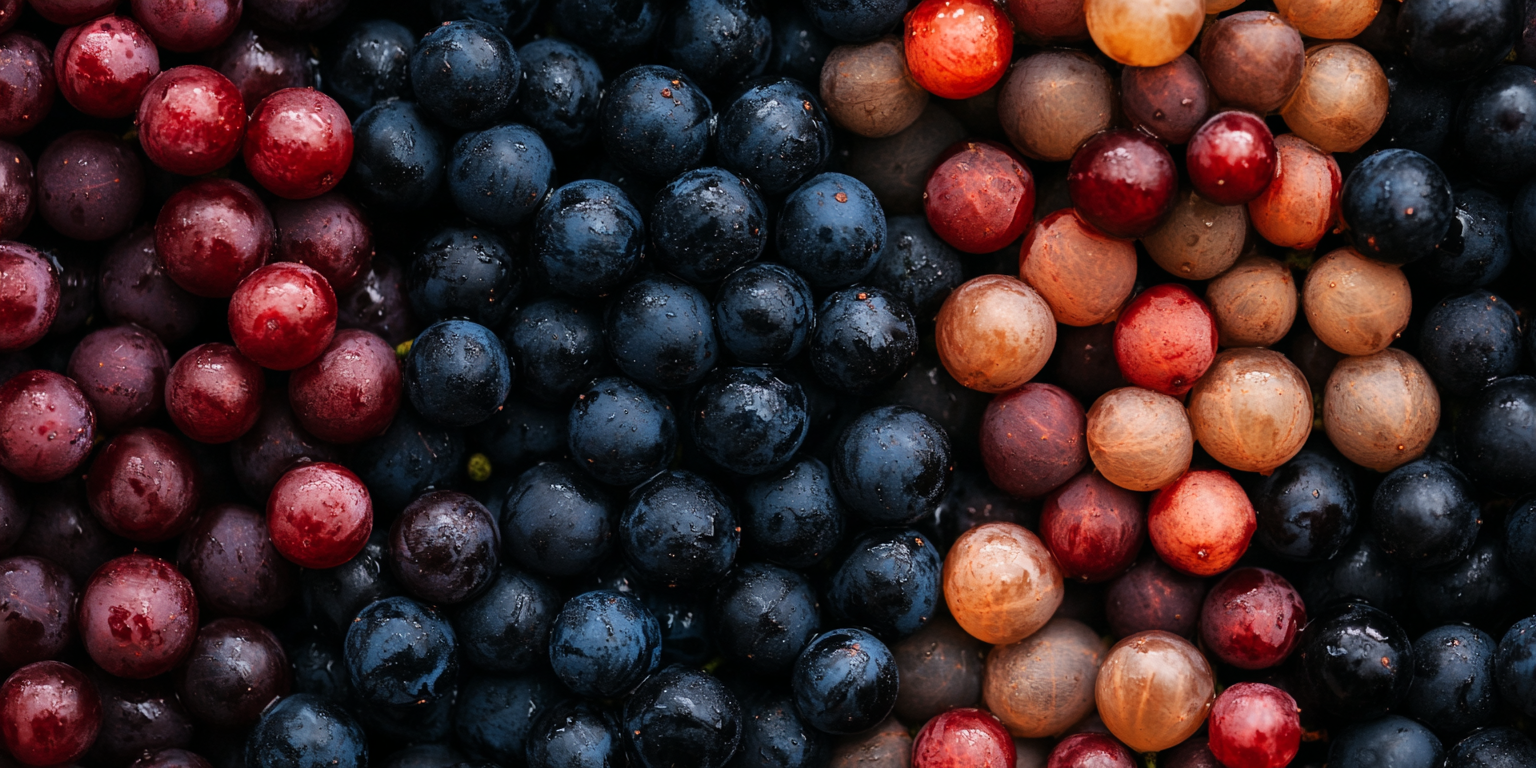
The grape is Bordeaux through and through, first written about as far back as 1784. The name comes from the French word for “little blackbird” — merle — either because of the grape’s deep color or because blackbirds just liked to feast on it. (Who can blame them, honestly?) Geneticists later confirmed that Merlot is the child of Cabernet Franc and a much rarer grape called Magdeleine Noire des Charentes.
For a long time, Merlot was the dominant grape in Bordeaux blends. That’s right: all this fuss about Cabernet Sauvignon being king is a relatively recent development. Merlot’s softer tannins, juicy plum and cherry flavors, and ability to thrive in soils sometimes too cool and wet for Cabernet made it the workhorse of the region.
The Sideways debacle — and why people really dismiss Merlot
The wine world in the 1980s and ’90s saw a massive boom in Merlot plantings, especially in California. What followed was an avalanche of mass-produced, watered-down, bland Merlot on supermarket shelves everywhere. It’s not that Merlot was inherently boring; it’s that a lot of what was being made was just plain bad. When Sideways hit, it simply put into words what wine lovers were already whispering. Sales tanked, vineyards were ripped up, and Pinot Noir sales soared (though I have a theory most of those new Pinot drinkers couldn’t pick one out in a blind tasting — but that’s another story).
“Don’t judge Merlot by the worst examples. The good stuff is out there, and it’s worth every cent.”
What does real Merlot taste like?
Real, honest Merlot — especially from classic regions — is everything I want in a red: plush, velvety texture; lush red and black fruit (plum, black cherry, sometimes blueberry); hints of chocolate, mocha, or even espresso; bay leaf, truffle, cedar, olive; and in the best cases, an earthy, minerally streak that keeps things grounded.
Merlot is often described as “soft,” but that’s misleading. When it’s grown in the right soils — clay in Pomerol, certain pockets of Tuscany — it can have a backbone and ageability that rivals the best Cabs. Where Cab is angular and upright, Merlot is more like a well-worn leather armchair — supportive, but you want to sink into it.
Bordeaux: Merlot’s spiritual home
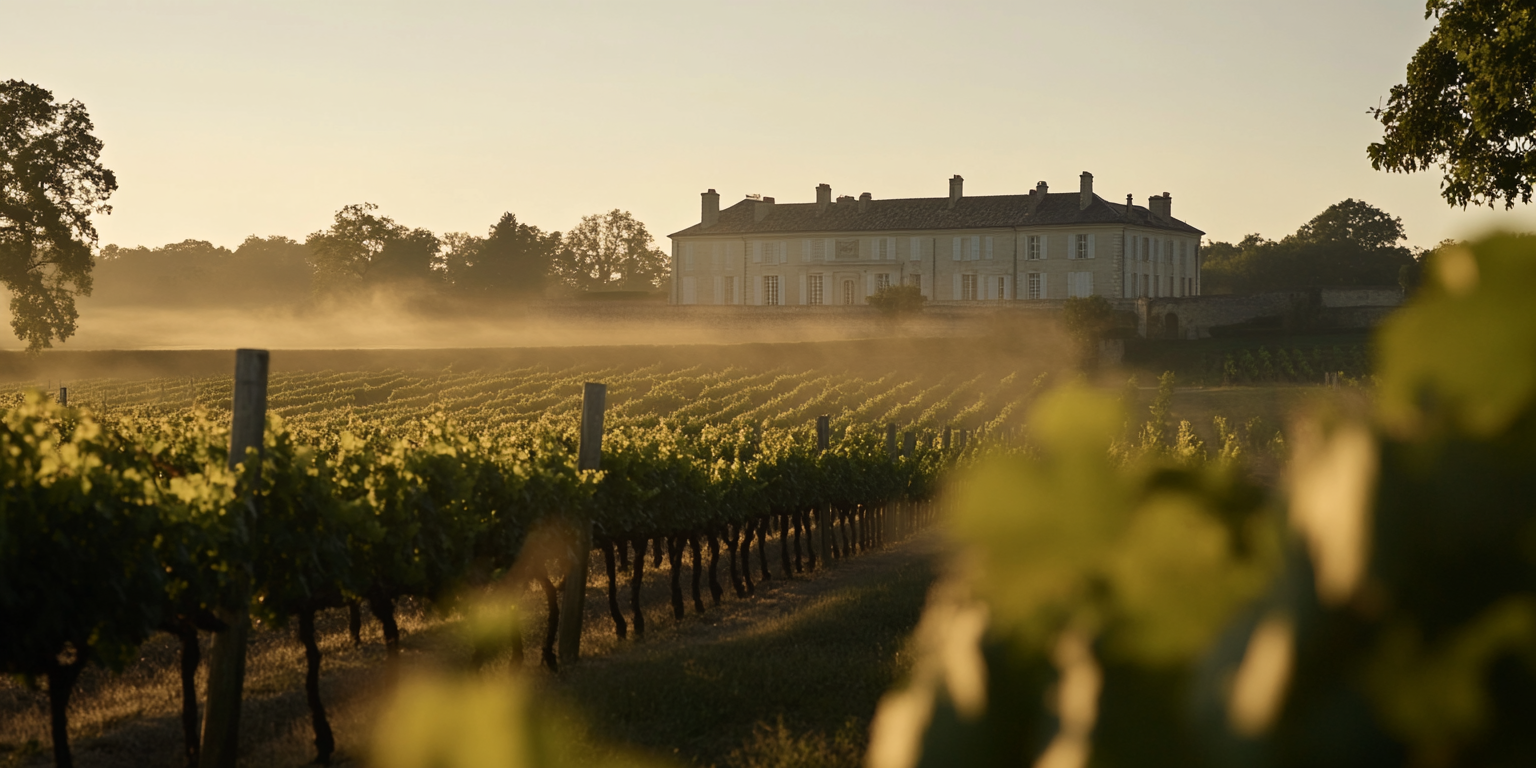
Nowhere does Merlot reach greater heights than on Bordeaux’s Right Bank. In Pomerol, Merlot is the undisputed star — plush, dense wines that take on truffle, dark chocolate, and damp earth as they age. Some of the world’s most legendary (and most expensive) bottles are almost entirely Merlot: think Pétrus or Le Pin. Saint-Émilion is another Merlot haven, with more Cabernet Franc in the mix — firmer, more aromatic, sometimes with an herbal lift that makes the wines especially food-friendly. Even on the Left Bank, Merlot plays a vital supporting role; a few châteaux use much more of it than you’d think.
Tuscany: Old World Merlot with an Italian accent
Merlot arrived in Bolgheri as early as the mid-20th century and started making waves in the 1970s with the rise of the Super Tuscans — wines that famously broke Italian wine laws by blending non-traditional grapes. (Before the IGT Toscana designation in 1992, these revolutionary wines were labeled “vino da tavola” — table wine — even when they were some of the best in the country.) Warm, sunny days give plushness; cool Tyrrhenian breezes preserve acidity; clay, sand and alluvial soils give structure. Masseto and Redigaffi are household names among collectors. Plush? Yes. Boring? Never.
The New World: Merlot finds its many voices
Hillside or mountain-grown Merlot (Mount Veeder, the Mayacamas) has backbone and depth — dark fruit, chocolate, sometimes menthol. Valley floor Merlot is lusher and simpler. Skip the $10 bottles unless you’re making sangria.
Columbia Valley and Walla Walla make some of the best Merlot in the New World, period. Hot days, cool nights, volcanic and loamy soils: black cherry, plum, cocoa, a hint of graphite. Plush and generous but never heavy — and it ages surprisingly well.
Warm sunshine, cooling Andes influence, granite and clay soils: juicy, vibrant Merlot with an herbal twist — sometimes fresh green pepper or eucalyptus. For value, it’s hard to beat.
Australian Merlot is plush and fruity, often blended with Shiraz or Cabernet. South African Merlot is earthier, with savory olive or tobacco notes — almost a bridge between Bordeaux and the New World.
The ultimate team player (and a solo act, too)
In Bordeaux, Merlot is the velvet cushion to Cabernet’s steel frame — rounding out tannins, adding fruit, making the wine approachable earlier. The same goes for Super Tuscan blends and California’s “Meritage” wines. Fun fact: in many legendary bottles, Merlot actually makes up the majority of the blend, even if Cabernet gets top billing. But the best pure Merlots — from Pomerol, Tuscany, and select spots in Washington and California — stand toe to toe with any great red in the world.
Merlot at the table — food pairing heaven
Softer tannins and moderate acidity mean Merlot pairs with all sorts of dishes — roast chicken and pork, mushroom risotto, duck confit, even a classic steak. My personal favorite? A good Right Bank Bordeaux with a perfectly cooked lamb chop and rosemary potatoes. It never gets old.
Why I keep coming back
Maybe it’s the underdog factor, or maybe I just love the grape’s style. When it’s good, Merlot offers a depth, freshness, and approachability that’s hard to beat — plush and inviting but never heavy, always with a line of acidity, a lift, a little something savory that keeps you interested. So here’s my invitation: don’t write off Merlot. Try the good stuff, look for bottles from places where the grape is truly respected, and ignore the supermarket stereotypes. You might just find your new favorite red.