If you’re a wine lover, or even just wine-curious, you’ve likely heard the terms tannins, structure, and mouthfeel thrown around — especially by wine professionals or your most wine-savvy friends. But what exactly are tannins, and why should you care? Understanding tannins doesn’t require a PhD in chemistry. It’s about recognizing a particular mouthfeel — the dryness or slight puckering on the sides of your cheeks after sipping certain wines.
Once you learn to detect and describe tannins for yourself, you’ll be better equipped to choose wines that match your taste and pair beautifully with your meals.
So what the heck are tannins?
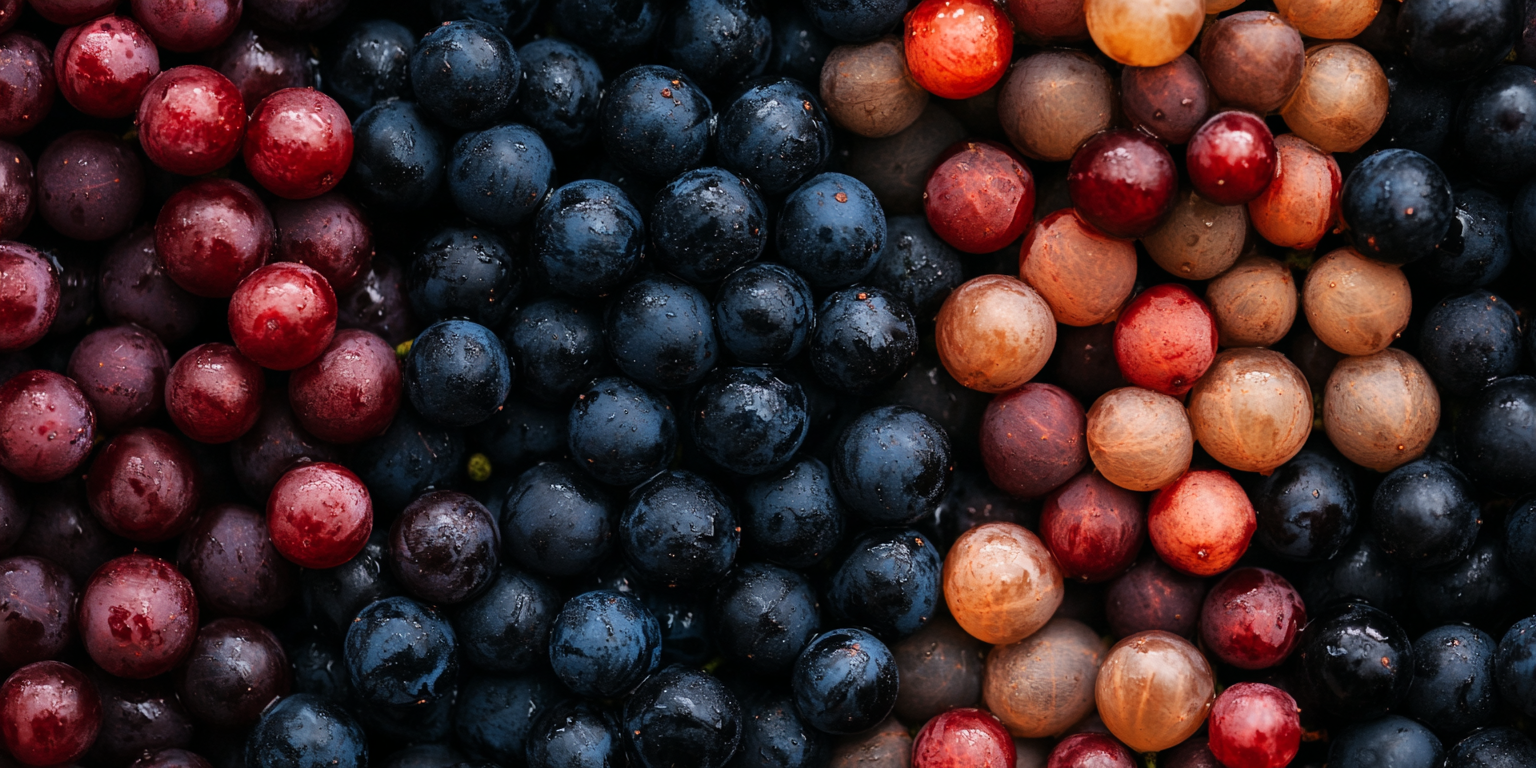
Let’s keep it simple: tannins are naturally occurring polyphenols found in the skins, seeds, and stems of grapes. They can also come from oak barrels, especially newer ones. When a red wine leaves your mouth feeling dry or a bit puckered — those are tannins at work, binding to the proteins in your saliva and reducing its lubricating effect.
If you’ve ever had a strong black tea that left your mouth bone-dry, you’ve experienced tannins outside the wine world. Tea leaves, cocoa beans, walnuts and pomegranates all contain them — one reason people compare the mouthfeel of dark chocolate to tannic wine.
“There’s no right or wrong preference when it comes to tannins — the point is to know why you love (or loathe) certain wines.”
The role of tannins in wine
Tannins are crucial for a wine’s structure and complexity. A high-tannin wine feels bolder, sometimes angular or robust; a low-tannin wine feels smooth and easygoing. Tannins also affect aging potential — wines with higher tannin levels, balanced by acidity and fruit, age more gracefully, as these compounds act as antioxidants protecting the wine over time.
As wines age, tannins interact with oxygen, forming shorter chains and precipitating as sediment. Young, tannic wines can feel harsh at first — but after years in a cellar, their tannins often mellow into something far more refined.
Describing tannins like a pro
Wine professionals have a vocabulary that can sound like a shampoo commercial (silky, smooth, velvety) or a critique of sandpaper (coarse, rough, rustic). The main registers you’ll hear:
Minimal harshness, integrated and supple — a lower-tannin Pinot Noir, or a wine aged enough to mellow. “Velvet glove,” “pillowy,” “cashmere.”
Noticeable astringency balanced by fruit, acidity and oak. Many age-worthy reds live here. “Muscular,” “tight backbone,” “grippy yet polished.”
High astringency that dries your mouth immediately — very young, robust wines. “Raspy,” “biting,” “tugging at the gums.”
Clearly present but so well-integrated they never overshadow the fruit — a beautifully aged Bordeaux or long-cellared Barolo. “Fine-grained,” “seamless,” “suave.”
And when describing wine, it’s okay to let your imagination fly. If a wine’s tannins remind you of velvet curtains or a cocoa-dusted truffle, run with it — your palate is yours alone.
Balancing tannins: food pairings
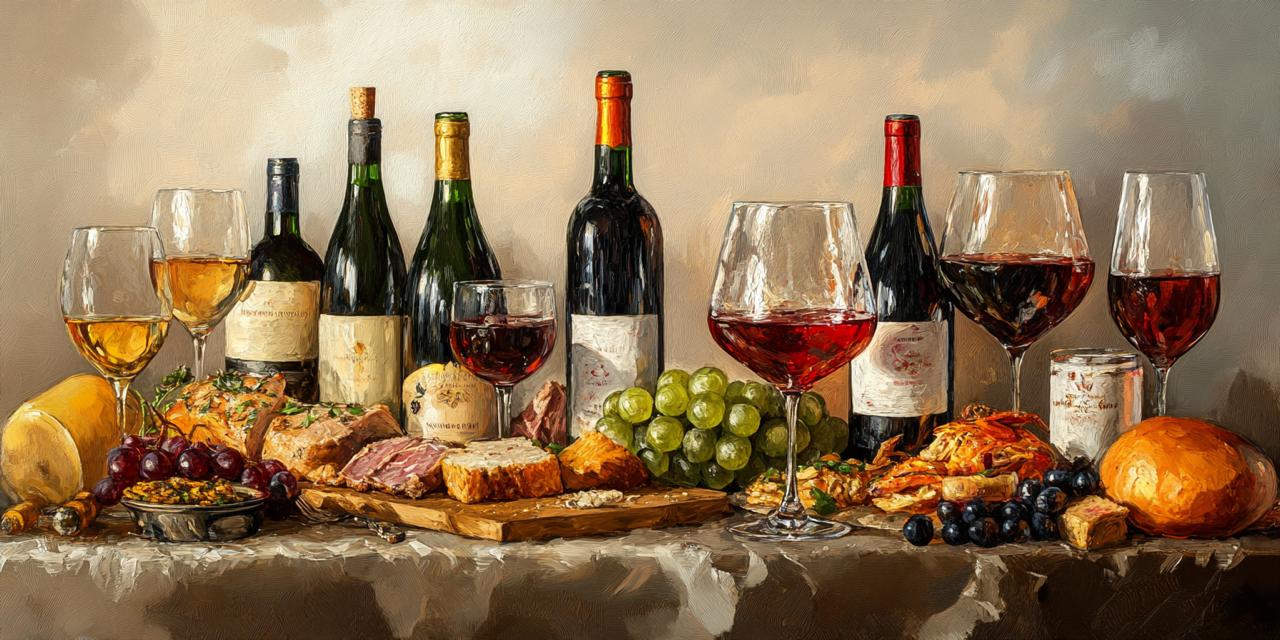
One of the wine world’s classic truisms: big red wines love rich proteins. The proteins in a juicy ribeye bind to the tannins before the tannins can bind to the proteins in your saliva — a softer, more balanced sensation. Nebbiolo’s famously high tannins mellow against a meaty ragù; mushrooms, legumes and cheese do the same work for vegetarian tables.
Don’t have years to wait for a high-tannin wine to soften? Decant it. Exposing the wine to oxygen opens the aromatics and softens the astringency — even swirling your glass helps.
Common myths
“Tannins cause wine headaches.” The truth: headaches come from many factors — histamines, sulfites, simple dehydration. Tannins aren’t the primary culprit, though research suggests they may trigger serotonin release in sensitive individuals.
“You can’t taste tannins in white wine.” Mostly true — unless the wine is heavily oaked, or it’s an orange wine: white grapes fermented with their skins, red-wine style, yielding significant grape-derived tannins and a complex, sometimes savory profile.
Try it yourself
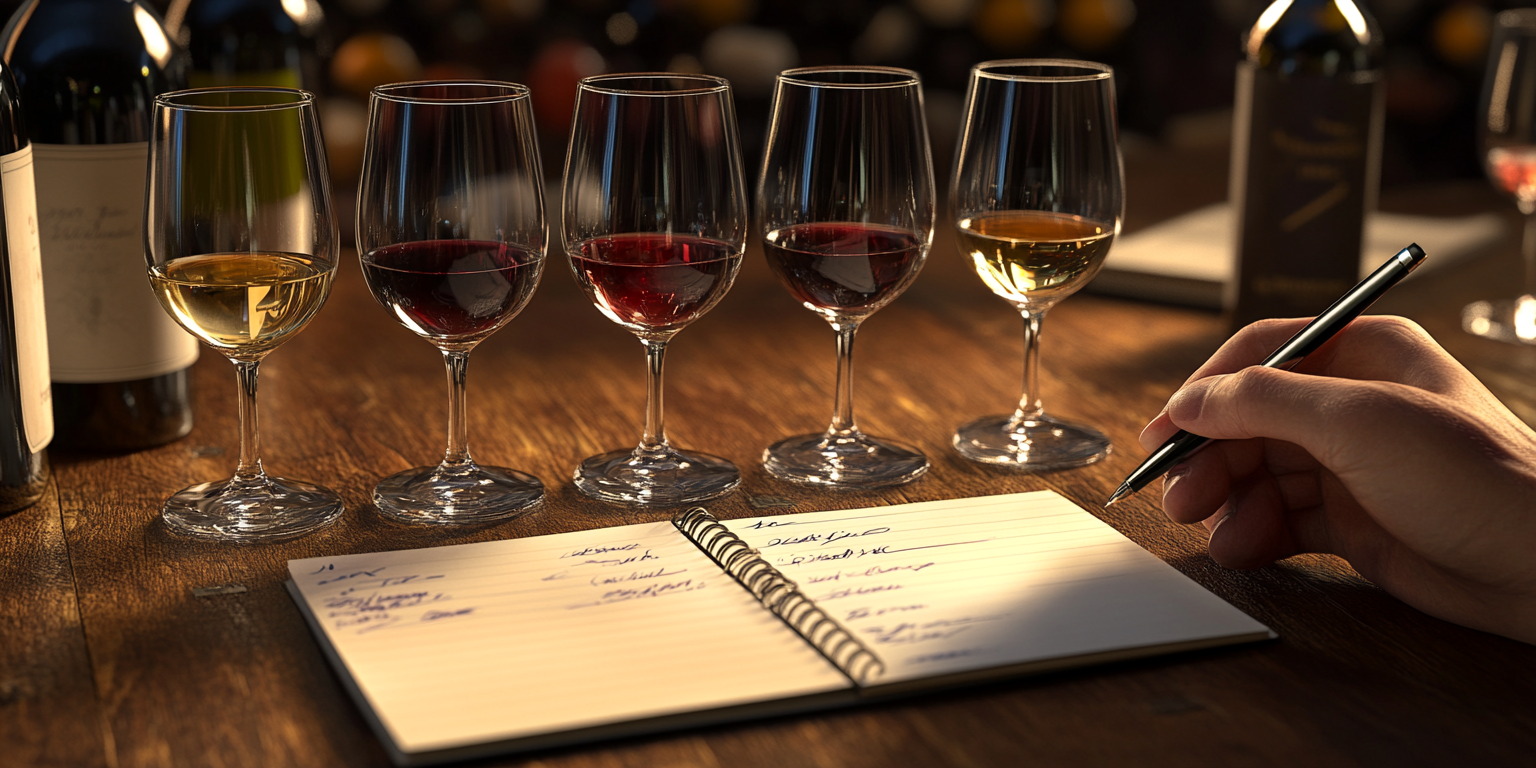
Put together a mini “tannin tasting flight”: a light, low-tannin wine (Beaujolais), a medium-bodied option (Merlot), and a full-bodied, high-tannin pick (Cabernet Sauvignon or Syrah). Taste side by side, focus on mouthfeel, and invent your own descriptors. There’s no single “right” level of tannin — your preferences are what make the journey yours.