Let’s cut through the noise: wine doesn’t have to be complicated, and you don’t need to memorize hundreds of fancy terms to enjoy it. But let’s face it, wine can feel overwhelming — especially when someone starts talking about “notes of tobacco” in their glass (I myself am guilty of this), and you’re just trying to figure out what to order. This 101 guide breaks it all down so that little by little you start to feel confident staring at a wine list or picking up a bottle at the store.
Before we dive in, a fun fact to blow your mind: there are over 10,000 grape varietals worldwide. Yup, 10,000. Only a fraction is widely used to make wine, but it’s still way more than the 5–10 you probably hear about most. We’ll focus on the most common and approachable ones to get you started.
Red wine
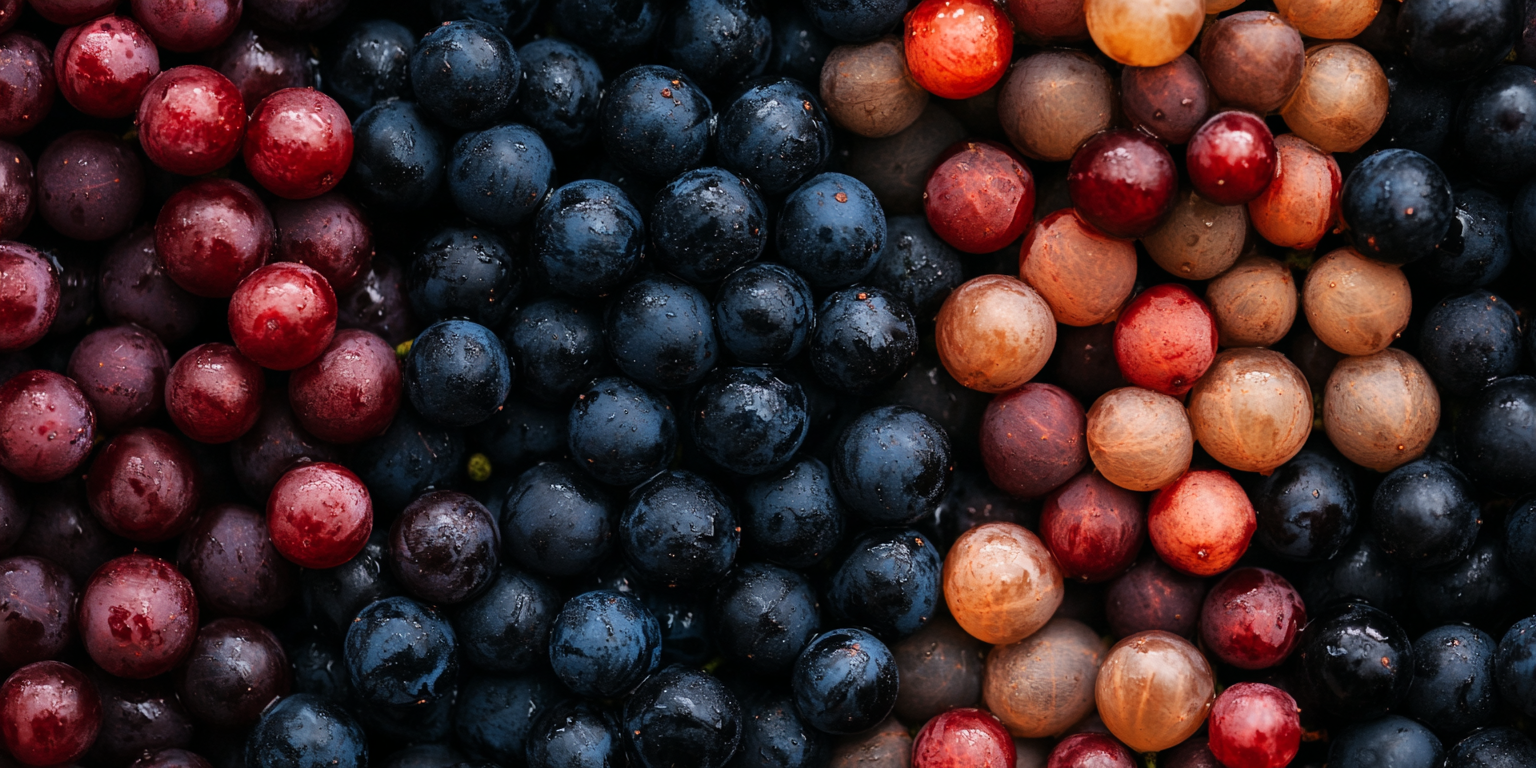
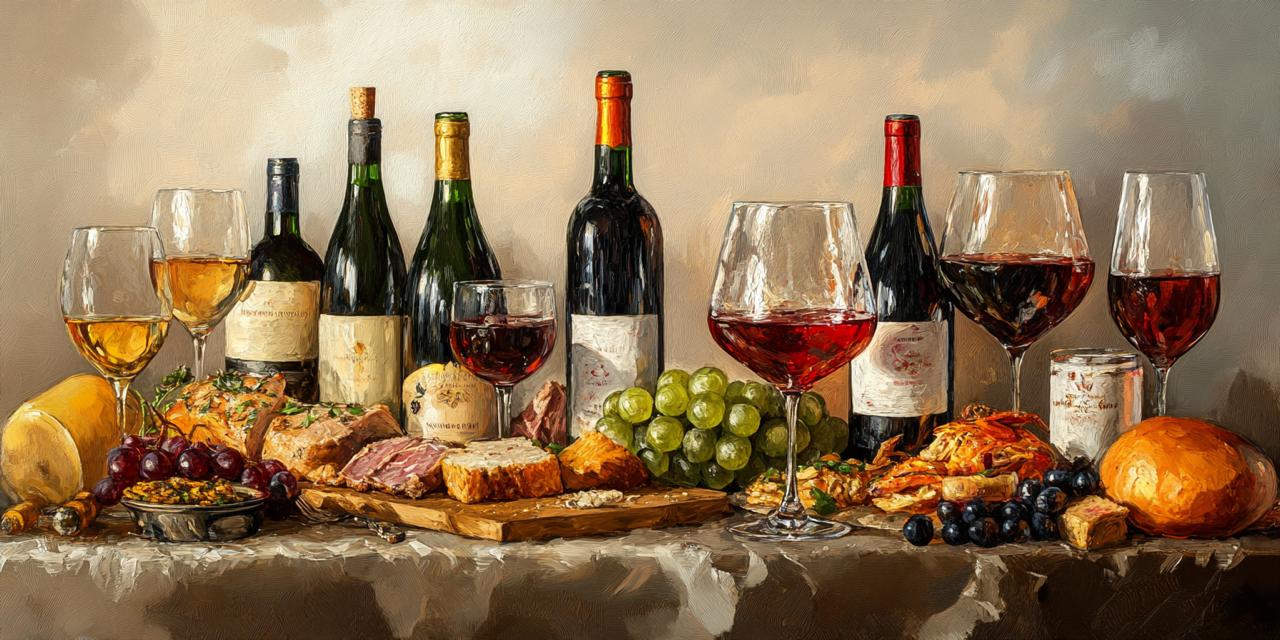
Red wine is made from red or black grapes, and the secret to its color and complexity lies in the skins — during fermentation they hang out with the juice, giving red wine its signature bold flavors and tannins. Popular varietals: Cabernet Sauvignon (bold, full-bodied, blackberry and blackcurrant, often oak notes of vanilla or spice); Merlot (softer, juicy plum and black cherry with hints of chocolate — a great starting point); Pinot Noir (lighter-bodied and elegant, red berries and earthy notes like forest floor); and red blends like Bordeaux (Cab + Merlot) and Rhône (Grenache, Syrah, Mourvèdre). Fun fact: over 1,300 red grape varietals are actively used for wine production.
White wine
Typically made from white grapes (though it can come from red grapes with the skins removed), white wine is lighter, crisper, more refreshing. Chardonnay is a shape-shifter — oak-aged versions are creamy and buttery, unoaked ones crisp with citrus or green apple. Sauvignon Blanc brings high acidity and bright lime, green apple, and grassy notes. Riesling is known for sweetness (though dry versions exist), with floral aromas and peach, pear, or honey. Over 1,000 white grape varietals are in use worldwide.
Rosé, orange, sparkling & dessert
Rosé bridges red and white — red grapes whose skins spend only a short time with the juice. Provence rosé is light, dry and crisp; White Zinfandel sweeter and fruit-forward. Orange wine is a white made like a red: skin contact gives it bold flavor, tannins, and an amber hue — from earthy Georgian qvevri styles to crisp, aromatic Italian ones.
Sparkling wine is bubbly and festive — only bottles from Champagne can legally be called Champagne, but Prosecco (fruity, lighter, affordable) and Cava (crisp, balanced, apple and citrus) are fantastic. Dessert wines are sweet and rich: Port (dried fruit, nuts, chocolate), Sherry (dry to sweet), Sauternes (“noble rot” concentrates the sweetness), ice wine, and late harvest styles.
Basic wine terminology
The weight of the wine in your mouth. Think milk: light-bodied is skim, medium is whole milk, full-bodied is cream that coats your tongue.
Mostly in reds — that drying, puckering sensation (think strong black tea), from skins, seeds and stems. They add structure.
What makes wine taste crisp and fresh. High-acid wines feel zippy and tart; low-acid ones softer or flat.
Aroma: the initial smells of a young wine — fruit, flowers, herbs. Bouquet: the complex smells that develop with age — leather, tobacco, vanilla.
The taste that lingers after you swallow. A long, layered finish is usually a sign of a higher-quality wine.
Tips for choosing wine
Consider the occasion — light wines with seafood or salads, heavier reds with steak. Start simple — Pinot Noir or Riesling are approachable. Ask for help — “I like fruity wines” is enough to get solid recommendations. Experiment — going outside your comfort zone is how you discover new favorites.
And here’s where we shamelessly admit why Wine Pro exists: this is exactly why we developed the world’s first wine AI. Set it to “Curious” and it explains things in a way that actually makes sense — no wine snobbery, no jargon. A personal sommelier in your pocket, without the awkwardness of asking a million questions.
How to taste wine (no pretending needed)
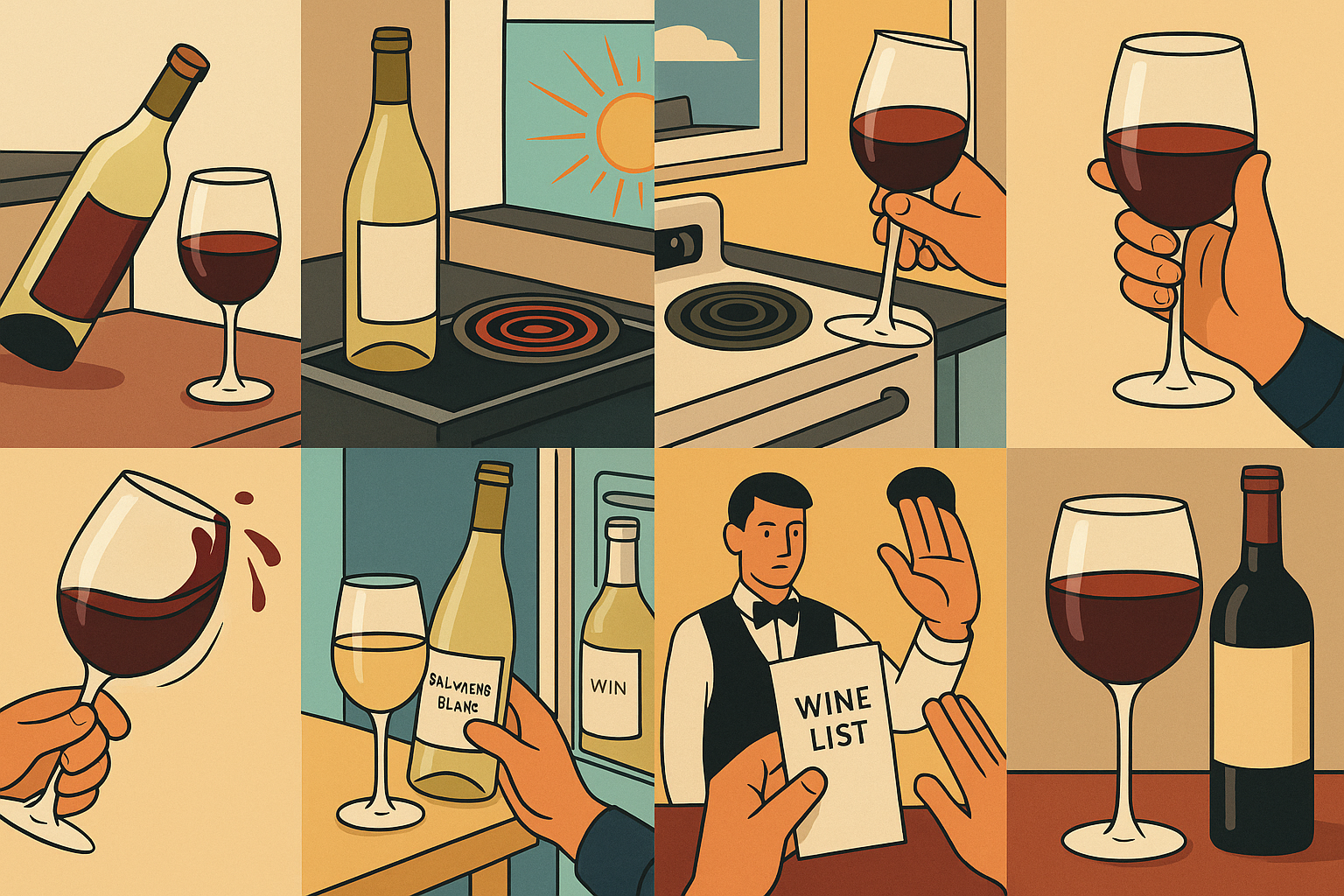
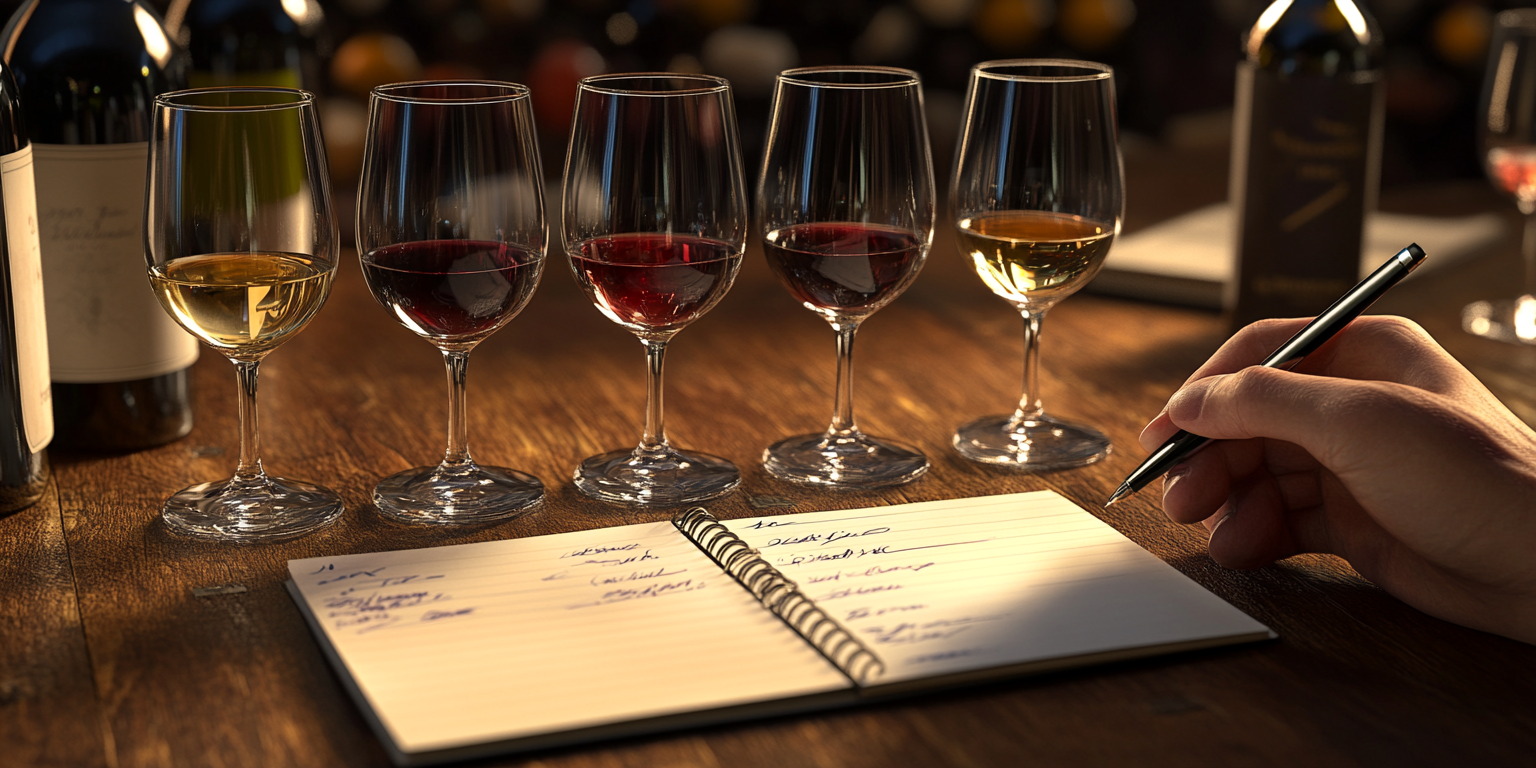
1. Look — check color and clarity. 2. Swirl — releases the aromas; the “legs” hint at alcohol or sugar. 3. Smell — nose in the glass, mouth slightly open, and let your imagination flow with what you pick up. 4. Taste — let it coat your tongue; is it fruity, rich, light, dry? 5. Decide — the most important step: do you like it? Yes? Great. No? Move on.
“It’s all about finding what you enjoy and building from there. There’s no right or wrong answer.”