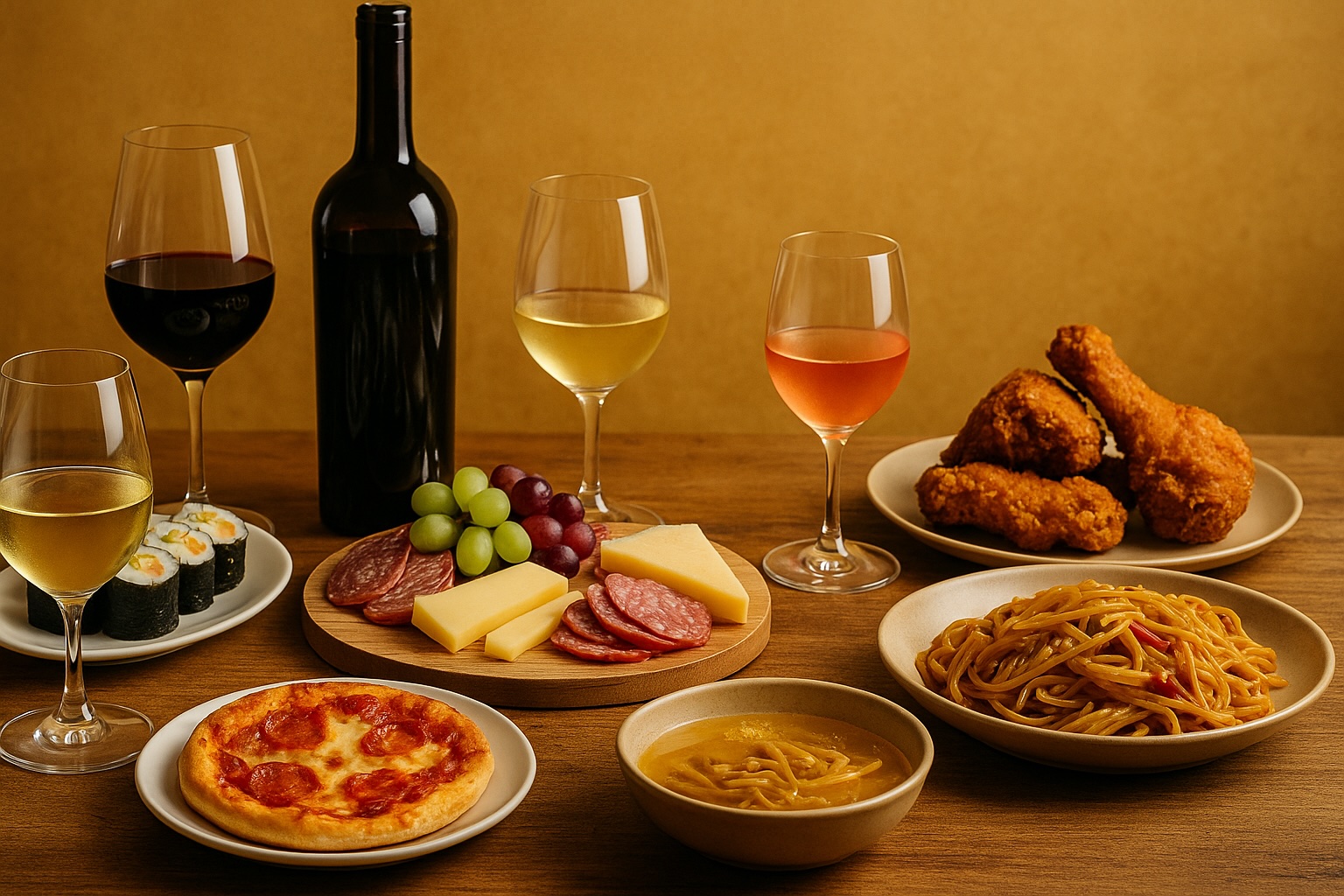
When enjoying a meal, selecting the right wine can improve your dining experience. Whether you’re hosting a dinner party, dining out, or having a quiet meal at home, the right wine pairing brings out the flavors of both the food and the wine, creating a pleasant and memorable experience.
Basic pairing principles
Light dishes like salads or seafood go well with light wines like Sauvignon Blanc or Pinot Grigio. Heartier fare like steak or lamb calls for Cabernet Sauvignon or Syrah.
Acidic wines complement rich, fatty foods with a refreshing contrast. Tomato-based sauces or citrus-infused recipes pair well with wines of similar acidity.
A sweet Riesling can reduce the heat of spicy dishes; a buttery Chardonnay can match the richness of creamy ones.
Traditional pairings from the same region reflect long-standing culinary traditions — Italian wines with Italian dishes, French wines with French cuisine.
Pairing wine with different cuisines
Italian: A Sangiovese, with its bright acidity and moderate tannins, pairs well with tomato-based pasta like spaghetti Bolognese or lasagna — its cherry flavors and herbal notes complement the savory components. For a creamy fettuccine Alfredo, a Chardonnay’s buttery texture and hints of vanilla match the richness without overpowering it.
French: For coq au vin, a Burgundy Pinot Noir is the classic — red fruit and earthy notes alongside braised chicken and mushrooms. For lobster bisque, a Viognier’s smooth texture and floral aromas complement the dish’s luxurious feel.
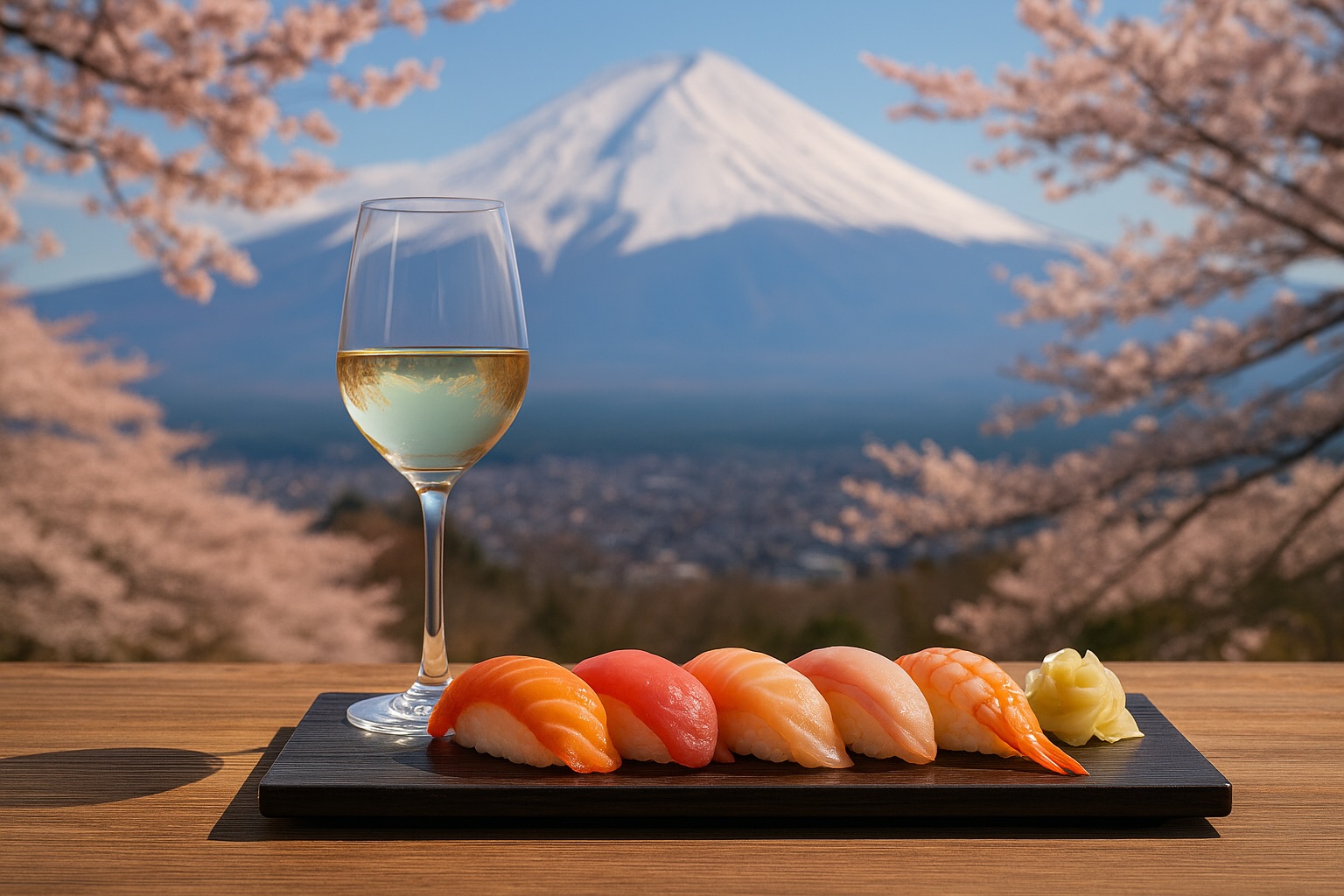
Asian: A slightly off-dry Riesling pairs well with spicy dishes like Thai green curry or Kung Pao chicken — slight sweetness and high acidity balance the heat. For sushi or sashimi, a crisp Sauvignon Blanc enhances the delicate flavors of the fish without overpowering them.
Mexican: A Zinfandel, with ripe berry flavors and a hint of pepper, suits carne asada or enchiladas — fruitiness against smoky spice. For a lighter ceviche, Sauvignon Blanc’s citrus and high acidity complement the fresh, tangy flavors.
Tips for experimenting
Start with wines you enjoy and try them against different dishes. Experiment with contrasts — sweet against heat, high acid against richness. Keep a pairing journal of what worked and why. Host a pairing party where each guest brings a dish and a bottle. Try different styles — sparkling wines complement everything from appetizers to desserts. And be open to surprises: sometimes unexpected pairings become new favorites.
Take it to the next level with Wine Pro
Input the food you plan to serve and get wine recommendations that match the dish. Ask for unusual pairings that highlight contrasts. Have Wine Pro review a restaurant’s wine list and recommend the best matches for what you’ve ordered. Planning a dinner party? Input the menu and get complementary pairings for each course.
“The best pairing is the one you enjoy the most — don’t be afraid to experiment and have fun with it.”