Cooking with wine has long been celebrated as the hallmark of gourmet cuisine. From rich beef bourguignon to a simple white wine pasta sauce, wine brings depth, acidity, and complexity to dishes. Yet, for all its culinary prestige, cooking with wine remains shrouded in myths. Let’s uncork the truth, explore the science, and learn how to make the most of wine in the kitchen.
Myth 1: All alcohol cooks off
While it’s true that heat reduces the alcohol content, it doesn’t vanish entirely. The amount left depends on cooking method, time, and temperature: flambéing or briefly simmering leaves up to 75% of the alcohol after 10 minutes; even after hours of slow simmering, around 5% can remain; and a covered pot retains more than an open one. If you’re serving a wine-laced sauce to guests who avoid alcohol, consider this scientific nuance. Spoiler: it’s probably safer to avoid the flambé.
Myth 2: “Cooking wine” is the best choice
Those bottles labeled “cooking wine” near the vinegar aisle are culinary villains hiding in plain sight — loaded with preservatives, sweeteners, and salt. Imagine taking a fine dish and adding flavored seawater. Instead, use wine you’d actually drink. A good rule of thumb: if it’s not good enough for your glass, it’s not good enough for your pan.
Myth 3: Expensive wines are necessary
Unless your dinner guests have Michelin stars tattooed on their foreheads, there’s no need to break the bank. Moderate-priced wines in the $10–$15 range work beautifully — cooking alters a wine’s flavors, and delicate notes of elderflower or cedar fade under heat. What matters more is balance: overly sweet or overly tannic wines can dominate the dish. Save your pricey Bordeaux for sipping, not simmering.
Myth 4: Red for red meat, white for white meat
This classic guideline oversimplifies things. A Pinot Noir can work wonders with chicken or turkey, especially with earthy or mushroomy elements. A full-bodied Chardonnay can complement pork or veal just as well as a red. And consider the cuisine’s origin — Italian dishes often pair best with Italian wines, regardless of meat type. Experiment and let flavor profiles guide your choices.
Myth 5: Wine can be added at any time
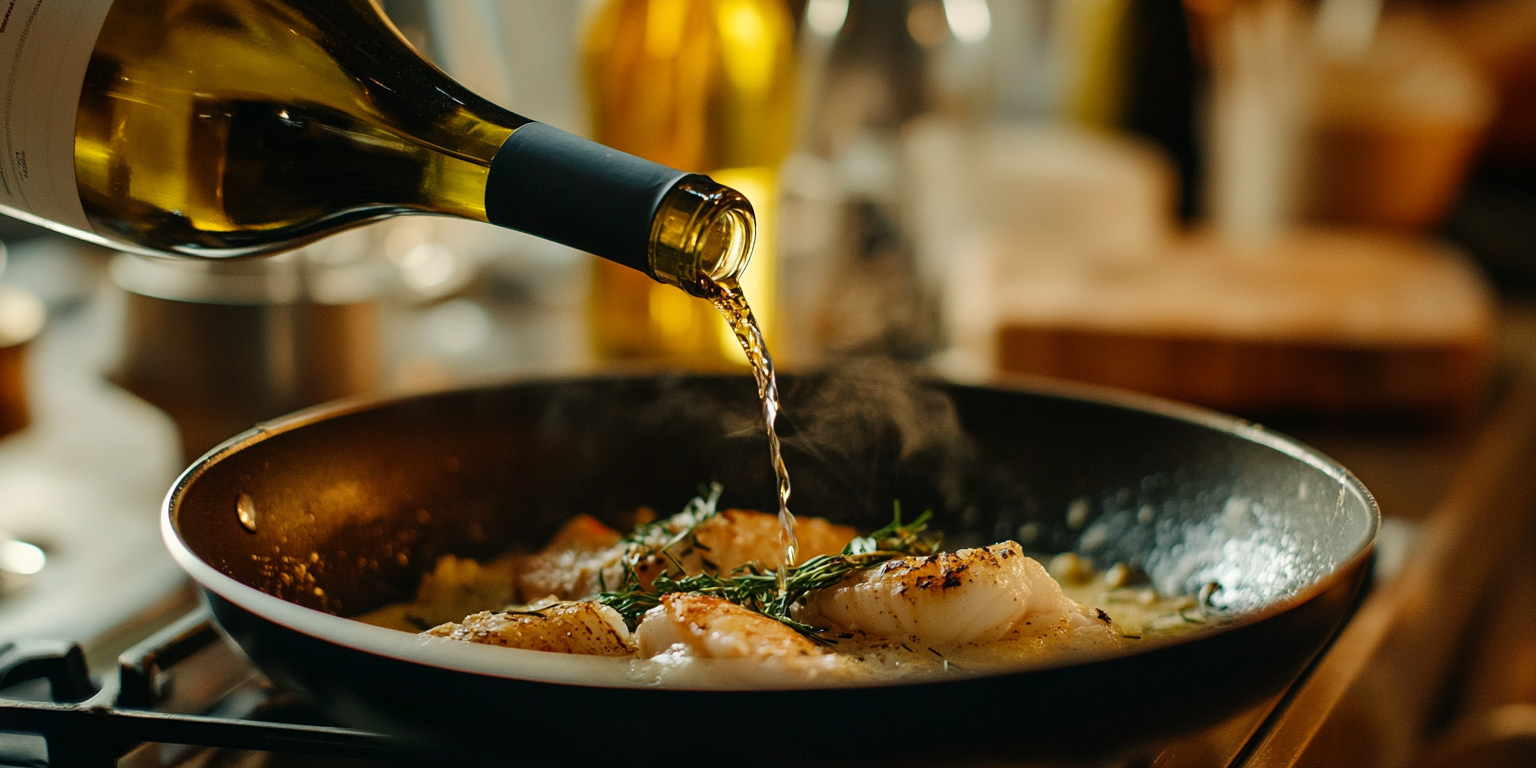
Pouring wine willy-nilly into a pan is a recipe for disappointment. Added early, alcohol cooks off and flavors meld — ideal for braises and stews. Added late, it provides a bright, acidic kick but risks leaving raw alcohol flavors behind. The best practice: add wine during the middle of the cooking process for a balanced result.
Myth 6: Tannins don’t matter in cooking
Tannins concentrate during cooking and can turn a dish bitter if overdone. Steer clear of highly tannic wines like Cabernet Sauvignon for delicate dishes; opt for reds with moderate tannins, such as Merlot or Grenache. If you’re unsure, reach for a safe, food-friendly Pinot Noir.
Myth 7: Open wine lasts indefinitely for cooking
Once opened, the clock starts ticking. Oxidation alters the flavor, and after a few days even a decent wine can turn sour. Seal the bottle tightly, store it in the fridge, and use it within about 5 days — beyond that, your sauce might taste more like vinegar than vino. Pro tip: freeze leftover wine in ice cube trays for a splash of flavor in sauces and soups on demand.
Expert tips for cooking with wine
Sweet wines can overpower — opt for dry whites or reds unless the recipe calls for sweetness.
Simmering wine until it reduces intensifies its flavors and creates a rich base for sauces.
The acidity tenderizes meat and enhances flavors — a double-duty ingredient.
Using the same wine for cooking and serving ties the meal together beautifully.
Get cookin’!
Cooking with wine isn’t just about adding a splash of liquid — it’s about layering flavors and enhancing dishes with depth and complexity. So grab a bottle (or two), experiment, and don’t be afraid to get creative. After all, cooking with wine should be as fun as drinking it — just maybe not at the same time. Cheers to delicious meals and myth-busting!