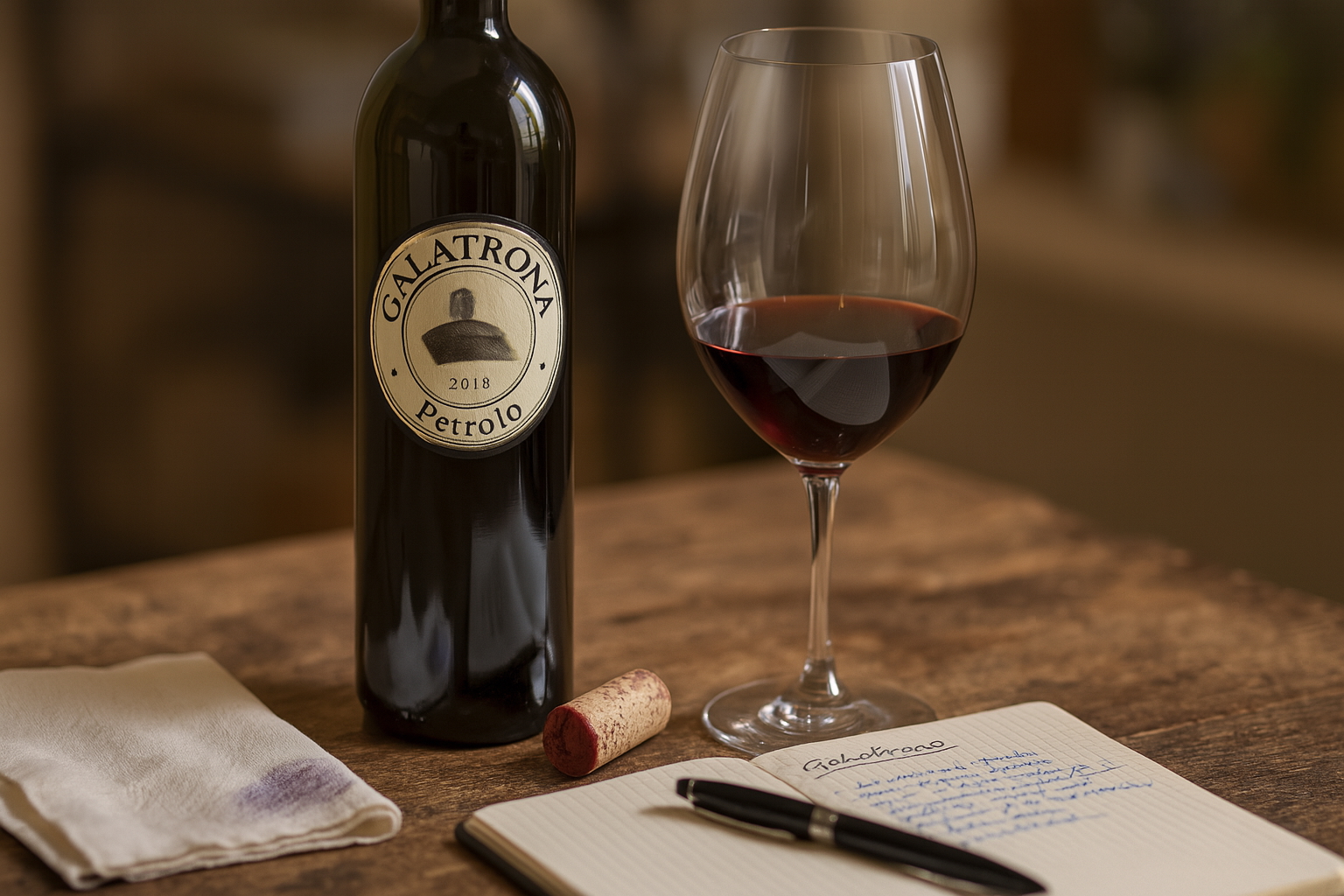
I’ll be the first to admit: I fell for Cabernet Sauvignon early and I fell hard. Growing up in Chile, where Cab remains a star player, I was bound to catch the bug. Over the years, I’ve been fascinated by how this grape shows up in different corners of the world — each with its own spin on what “Cabernet” should taste like. If you’re ready to join me on a journey from Bordeaux to Australia and beyond, pour yourself a glass and settle in.
From a pair of grapes to a global superstar
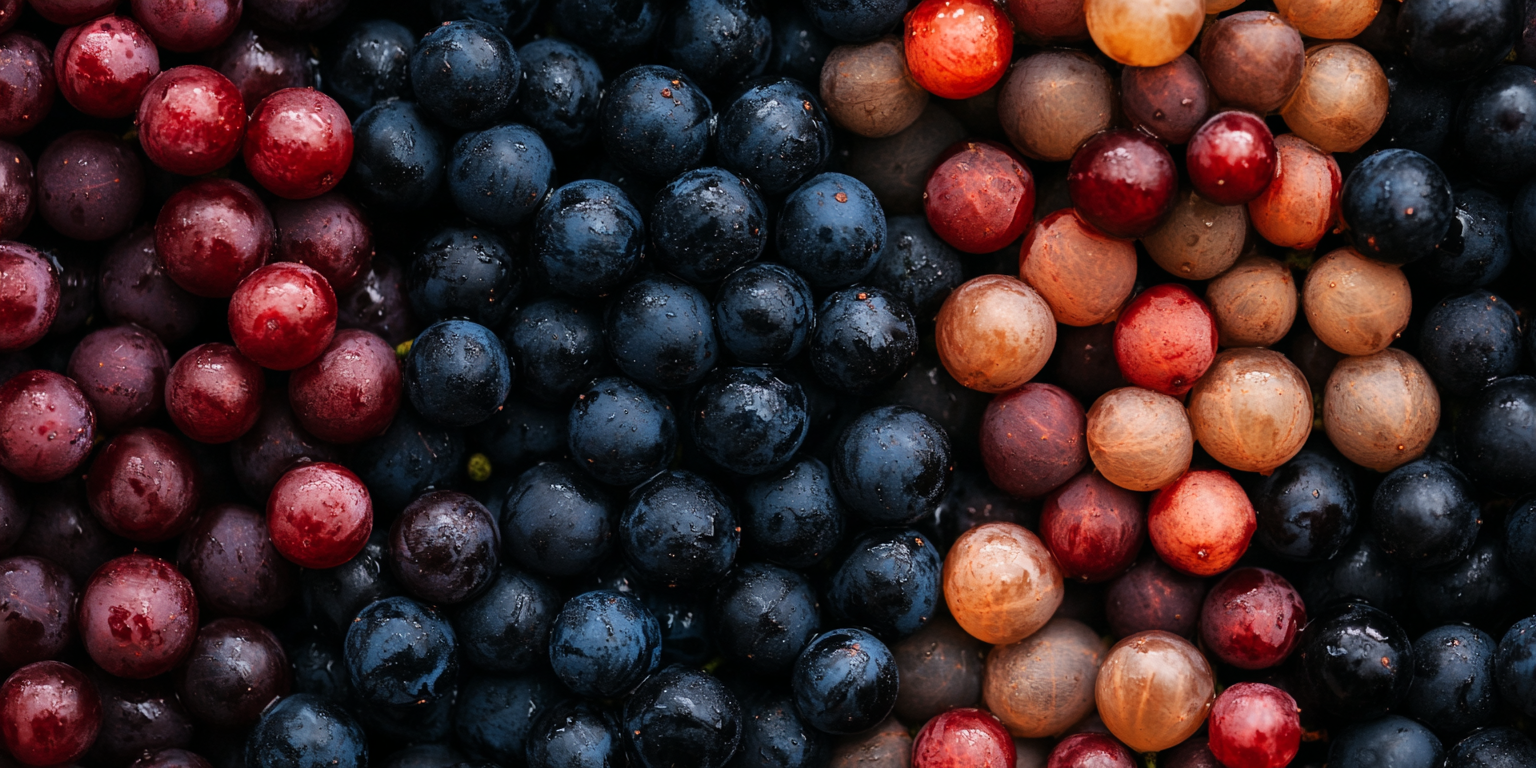
Modern DNA research at UC Davis confirmed that Cabernet Sauvignon is a cross between Cabernet Franc (a red variety) and Sauvignon Blanc (a white), occurring in Bordeaux in the early 1600s. The grape’s thick skins and late-ripening habit were perfectly suited to Bordeaux’s gravelly soils and maritime climate, and those Bordeaux wines eventually set the global standard for quality.
It’s sometimes called “the king of red grapes” — through most of the 20th century it was the most widely planted premium red wine grape on Earth. Merlot briefly stole the crown in the 1990s, but Cab reclaimed the top spot by 2015.
Chile: where my love for Cabernet took root
The grape was introduced to Chile by French agronomist Michel Aimé Pouillot in the early 19th century, first planted in the Valle de Maule, with the first commercial wines arriving in the 1860s. Chile’s geography — narrow, bordered by the Andes and the Pacific — means growers tap everything from coastal fogs to high-altitude foothills. Warmer zones yield ripe, fruit-driven Cab with a rich black-cherry core; cooler, higher spots show more structure, lively acidity, and a subtle herbal streak reminiscent of Bordeaux. I love how Chile bridges Old and New World styles — robust fruit plus that hint of savory green pepper or tobacco.
Bordeaux: setting the standard
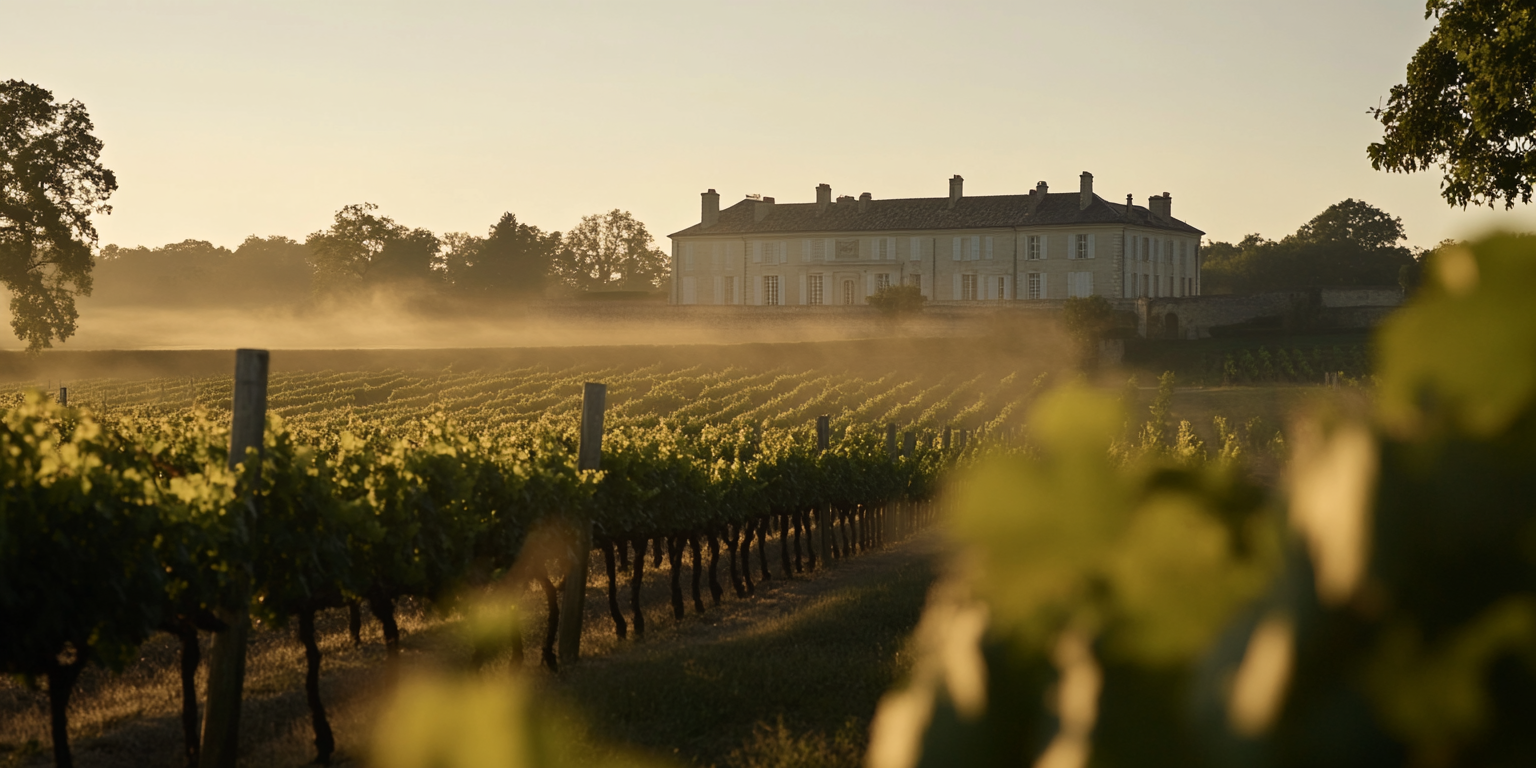
Gravelly soils in the Médoc provide excellent drainage, forcing vines to root deeper. In good vintages you get wines that age for decades: dark fruit wrapped in firm tannins, with hallmark cedar, graphite, and a subtle earthiness that evolves over time. Pop the cork too soon and it might feel aggressive; wait a decade or two and you’ll discover a refined, layered wine with tobacco, leather, and a haunting depth. Pure Cabernet bottlings are rare here — Bordeaux is about blending — but Cab remains the backbone of the region’s age-worthy reputation.
Napa: sunshine and opulence (or shall I say “expensiveness”)
Napa Cab — you know exactly what you’re getting into before the first sip: big, rich, plush. Concentrated blackcurrant, blackberry, plum, and what I call “cakey” dense chocolate; the best have a texture like cutting into a molten chocolate cake. Cool nights and Pacific fog keep it from turning into syrup. And it isn’t just one thing: structured mountain wines from Howell Mountain or Mount Veeder; rounder classics from Rutherford and Oakville with sweet tobacco and dusty earth; fresher, mineral-edged wines from cooler Coombsville.
But here’s the part I struggle with: the prices. Napa has become ground zero for “California cult” Cabernet, with certain labels fetching thousands per bottle. If I’m spending $300 or more, I want the wine to feel worth every cent — not a trophy bottle where half the price is branding. I usually chase producers who punch at or above their price.
The Columbia Valley’s quiet power
Washington State might not leap to mind, but Columbia Valley earns a spot on any Cab-lover’s map. Sheltered by the Cascades, summers are dry and warm, nights dramatically cool — preserving acidity. Expect rich dark fruit balanced with liveliness, sometimes a hint of mint or eucalyptus with a dusty, mineral finish. A beautiful midpoint between Old and New World.
Australia: a tale of two exceptional regions
Coonawarra is one of the most distinctive Cabernet terroirs in the world thanks to its famous terra rossa soil — bright red, iron-rich topsoil over porous limestone. Bold blackcurrant and cassis, firm tannins, and a recognizable streak of mint or eucalyptus tied to the native vegetation. Margaret River, on the western coast, is a different personality: maritime-moderated, slower ripening, more elegance and finesse — red and black fruit with bay leaf, dried herbs, and a touch of graphite. Almost a modern, sunnier take on Bordeaux.
Italy: Tuscany’s bold rebellion
Cabernet was planted at Tenuta San Guido in Bolgheri as early as 1944, but it was Sassicaia’s 1968 vintage (released 1971) that turned the Italian wine world on its head. Italy’s rigid classification system forced these groundbreaking wines to wear the humble “vino da tavola” label — legally on par with basic table wine. Only in 1992 did the IGT Toscana designation arrive, and Bolgheri got its own DOC two years later. Warm coastal sun gives ripeness; a streak of acidity keeps things fresh; rosemary, bay leaf, dried thyme, and dusty earth make Tuscan Cabs distinctly Italian — especially as they age.
South Africa: Stellenbosch — the world’s most underrated Cab region?
Mediterranean climate, ocean breezes from False Bay extending the growing season, and diverse soils — granite for finesse and minerality, shale for depth, sandstone for softness. The result: rich blackcurrant and plum, firm tannins, and a savory edge of cedar, pencil shavings, and graphite that immediately recalls Left Bank Bordeaux — with a sun-baked generosity of fruit that nods to California. The structure of Bordeaux, the ripeness of Napa, at prices that feel almost too good to be true. One of the best-kept secrets in the wine world.
1976 Judgment of Paris: one tasting that changed the narrative
This blind tasting pitted top French wines against California newcomers. Much to everyone’s shock, the 1973 Stag’s Leap Wine Cellars S.L.V. Estate Cabernet Sauvignon earned the highest red wine score, beating famous Bordeaux châteaux and forever rewriting the wine world’s assumptions. It showed that no region has a lock on greatness — and opened the door for Chile, Australia, and South Africa to prove themselves on the global stage.
Blending: one grape to lead them all
Cab shines solo but excels in blends — the classic Bordeaux template (Merlot, Cabernet Franc, Petit Verdot, Malbec) or inventive New World marriages with Syrah or Carménère. Cab adds tannin, structure, and deep color — the backbone; other grapes provide softness, aromatic lift, or extra fruit. It’s the wine-world equivalent of a great ensemble cast.
Why I keep reaching for it
Grown in all sorts of climates, yet always shows the terroir — you taste the story of the region.
Even beginners recognize Cabernet Sauvignon — a comfortable pick.
Those tannins and acidity love everything from steak to roasted veggie dishes.
A top-notch Cab can rest for years, evolving into something layered, refined and profound.
Store a well-made Cabernet around 55°F in a stable environment and the fruit-driven burst of youth mellows into dried fruit, tobacco hints, and savory complexity. When you finally uncork it, give it a moment to breathe and watch time refine its edges into a velvety finish.
“Open a few bottles of Cab from various regions and taste them side by side — you’ll see just how flexible this variety can be.”